
NextGenergy at GDCC 2026
At Booth A20, NextGenergy presented prefabricated liquid cooling and a whole-system view of data centre infrastructure, from core equipment and on-site verification to heat reuse and simulation.
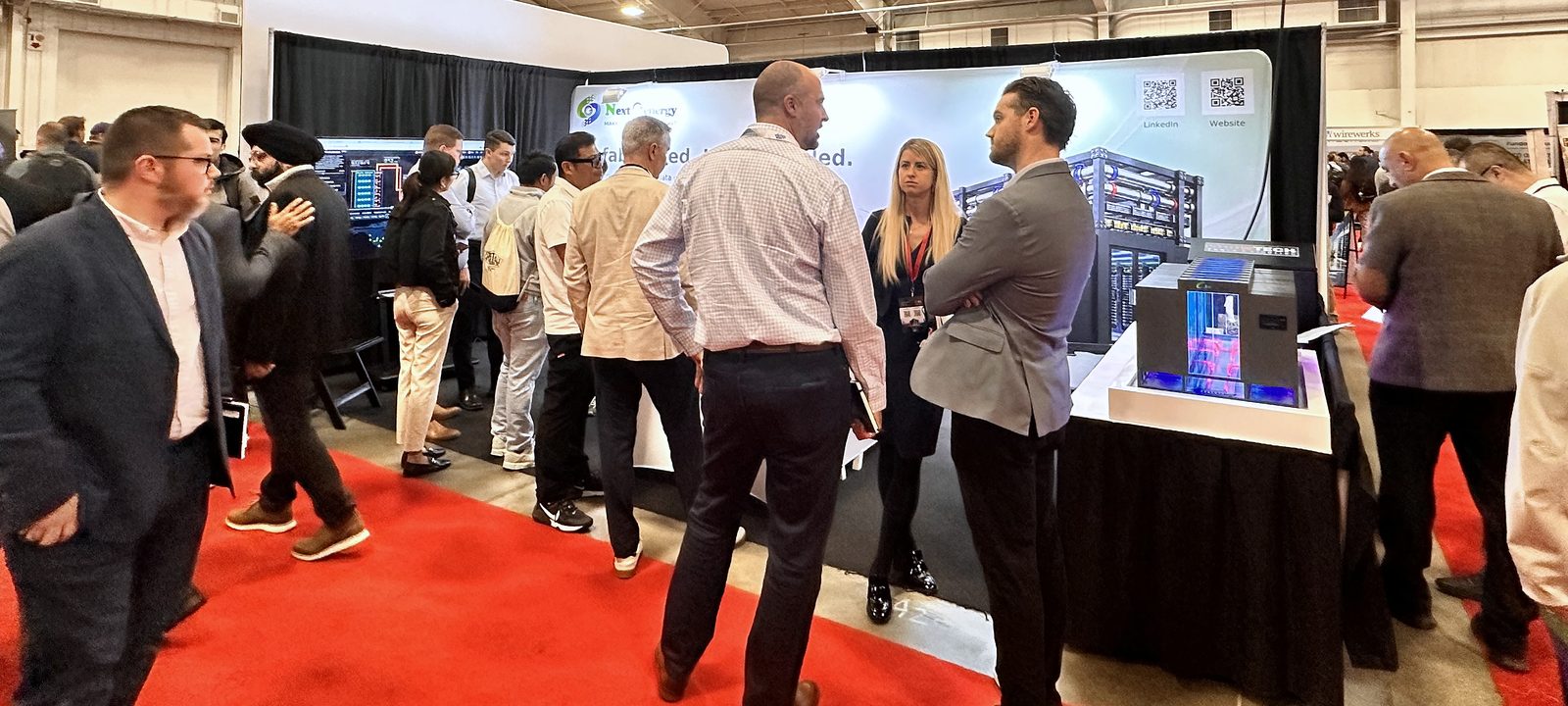
Global Data Centre & Cloud Expo Canada (GDCC) took place on 20 and 21 October 2026 at The International Centre in Mississauga, Ontario. Co-located with POWERING AI, the event brought together professionals from the data centre, cloud computing, AI infrastructure and energy sectors to discuss the power, cooling and infrastructure needed to support growing demand for computing capacity.
NextGenergy exhibited at Booth A20, presenting prefabricated liquid cooling infrastructure, core equipment supply, on-site commissioning and acceptance testing, and system simulation. A scale model of the wider infrastructure, a liquid cooling demonstration model and interactive demonstrations connected individual equipment with data centre deployment, operation and heat reuse.
The showcase followed a practical project pathway: how equipment becomes a deployable module, how cooling circuits connect, how readiness is verified after installation, and how design options can be compared before construction. Physical models and simulation provided a shared reference for discussing system boundaries and project requirements.
Modular integration and equipment delivery
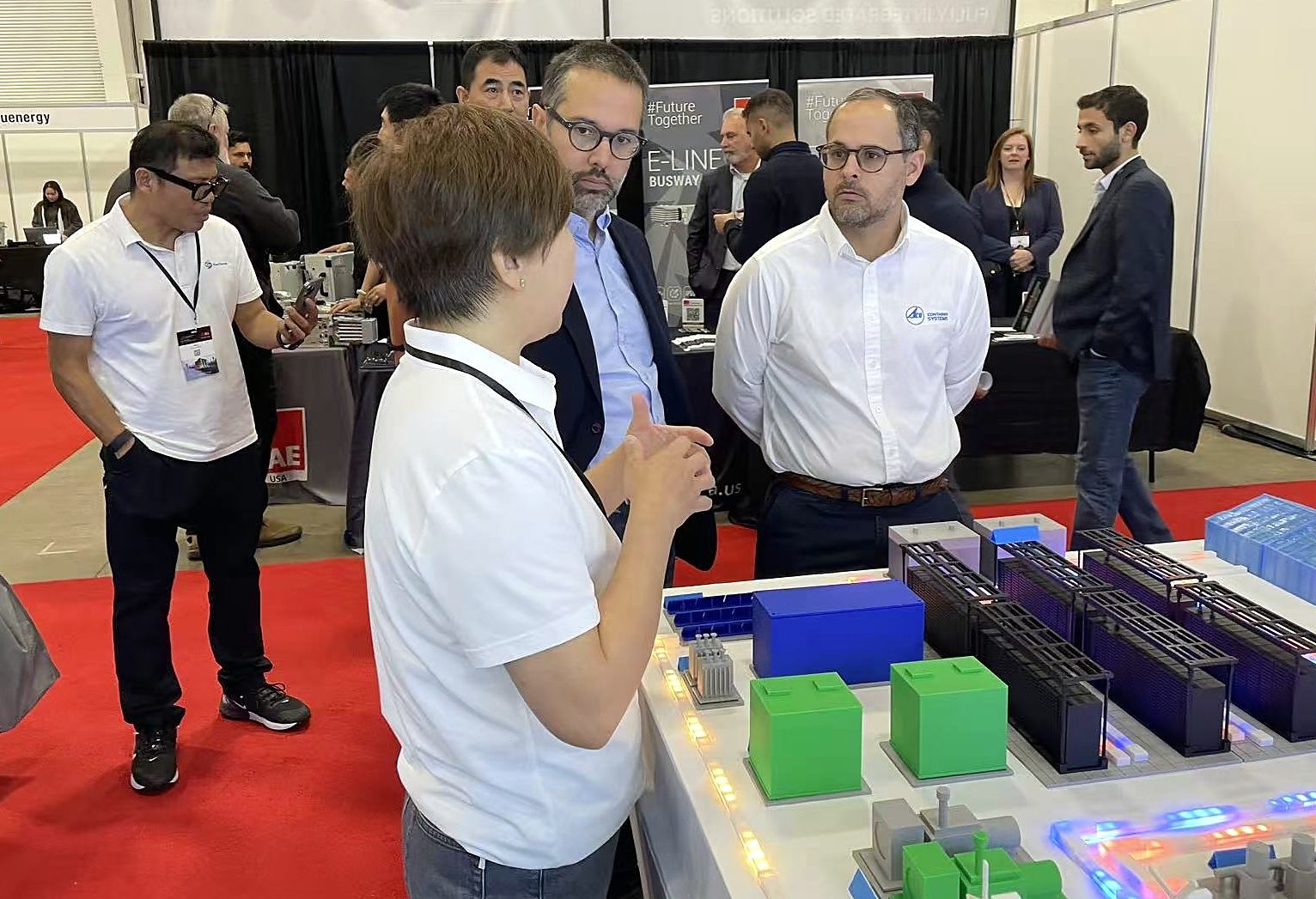
High-density computing infrastructure requires coordinated decisions about rack loads, cooling capacity, piping interfaces and delivery schedules. NextGenergy’s prefabricated liquid-cooled data centre skids bring equipment and interfaces into a coordinated modular configuration, clarifying the connections between engineering, manufacturing, transport and on-site installation.
Depending on the project scope, a prefabricated solution can integrate racks, coolant distribution units (CDUs), pump assemblies, piping, valves and associated controls. Moving more assembly and verification into the factory can help identify interface and layout issues earlier, reduce repeated coordination on site, and establish clear module boundaries for phased deployment, capacity expansion and maintenance.
NextGenergy also presented ORv3 racks, CDUs and supporting cooling equipment available with short lead times. Racks provide the physical platform for integrating computing equipment; CDUs connect facility-side and IT-side cooling circuits; and supporting cooling equipment is selected to suit the heat load, ambient conditions and operating requirements. Together, these elements form a coordinated thermal management system.
Rapid delivery depends on more than equipment availability. Specifications, interfaces and project schedules also need to be defined early. NextGenergy coordinates equipment supply with system configuration to support selection, procurement and deployment. The supply scope, technical specifications, quantities and lead times are confirmed for each project so that deliveries align with site activities.
Commissioning and documented acceptance
Once equipment has been delivered and installed, commissioning and acceptance testing are needed to establish the system’s condition and readiness. At GDCC, NextGenergy introduced its Liquid Cooling Commissioning & Site Acceptance Testing services, connecting installation checks, functional verification and handover records within a continuous process.
Depending on the agreed scope, activities can include interface and installation inspections, flushing and cleanliness checks, pressure and leak testing, flow and differential pressure verification, temperature control and load response testing, and checks of alarms, interlocks and control sequences. Test coverage is defined by the project design, equipment requirements and acceptance boundaries, with traceable records supporting handover.
Interfaces between equipment and suppliers are a critical part of site coordination. CDUs, pump assemblies, valves, sensors and control systems need to be verified together under actual operating conditions. Clearly defined procedures, responsibilities and acceptance criteria help project teams identify issues, organise corrective work and determine whether the system meets the agreed conditions for operation.
The service can support equipment supplied by NextGenergy as well as liquid cooling systems supplied by others, subject to the agreed scope. NextGenergy coordinates commissioning, testing and acceptance documentation. Regulated site work is carried out by licensed and insured partner companies. Service boundaries and responsibilities are established before implementation, and site activities follow applicable local requirements.
Complete handover documentation is part of the verification process. Test conditions, instrument details, results, outstanding issues and corrective actions need to be tied to specific equipment and circuits so that owners, engineering teams and operators can retrieve them after handover. Preparing acceptance evidence alongside maintenance information creates a usable baseline for ongoing operation.
Following power and heat through the infrastructure
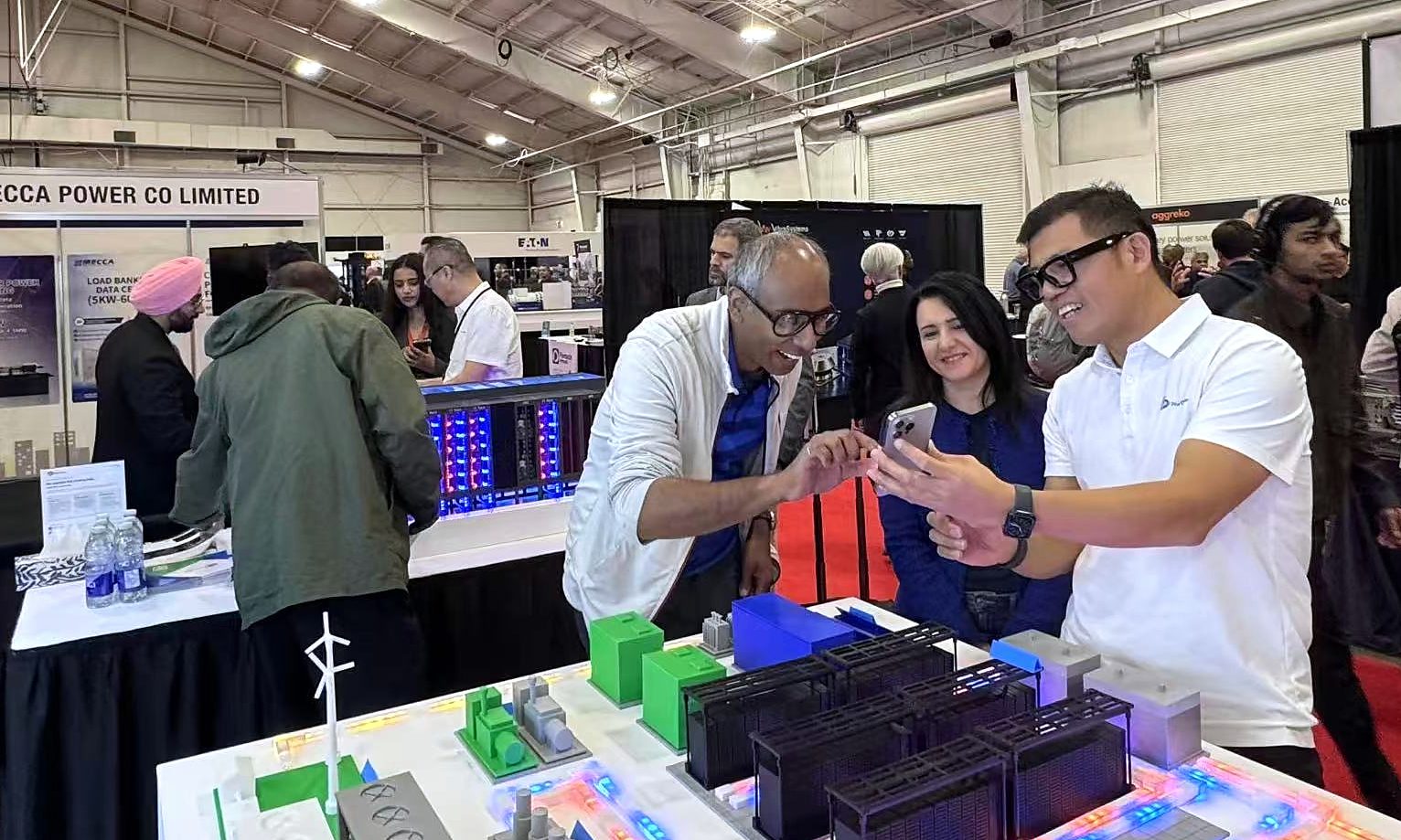
The scale model was a central element of the exhibition. It brought energy sources, electrical distribution, computing loads, liquid cooling and heat reuse into one physical setting. Equipment models and connecting routes allowed visitors to follow the movement of electricity and heat through the wider infrastructure.
The energy and power section depicted solar photovoltaic, wind, hydroelectric, gas-fired and diesel generation, together with prefabricated power modules, transformers, and high-, medium- and low-voltage electrical distribution systems. These elements illustrated the energy infrastructure surrounding a data centre; they did not represent a claim that NextGenergy supplies or builds every generation and electrical system shown.
The cooling section featured CDUs, prefabricated liquid cooling skids, chillers and dry coolers, showing how heat passes from computing equipment into cooling circuits and then to external heat rejection or heat recovery systems. Placing these stages within the overall architecture provided a basis for discussing equipment configurations, temperature requirements, heat exchange interfaces and operating strategies.
Heat reuse extended the perspective beyond the data centre. The model illustrated potential applications in greenhouses, industrial-scale temperature-controlled aquaculture and building heating. A viable project requires assessment of available heat, supply and return temperatures, distance to heat users, seasonal demand and any required heat pumps, together with coordination of data centre and heat-user operating requirements.
NextGenergy’s related solutions focus on liquid cooling infrastructure, system integration and interfaces with heat recovery. Showing the broader energy landscape helps customers understand where these capabilities fit and establish project-specific supply scopes, partner interfaces and engineering responsibilities.
Connecting system configurations with operating response
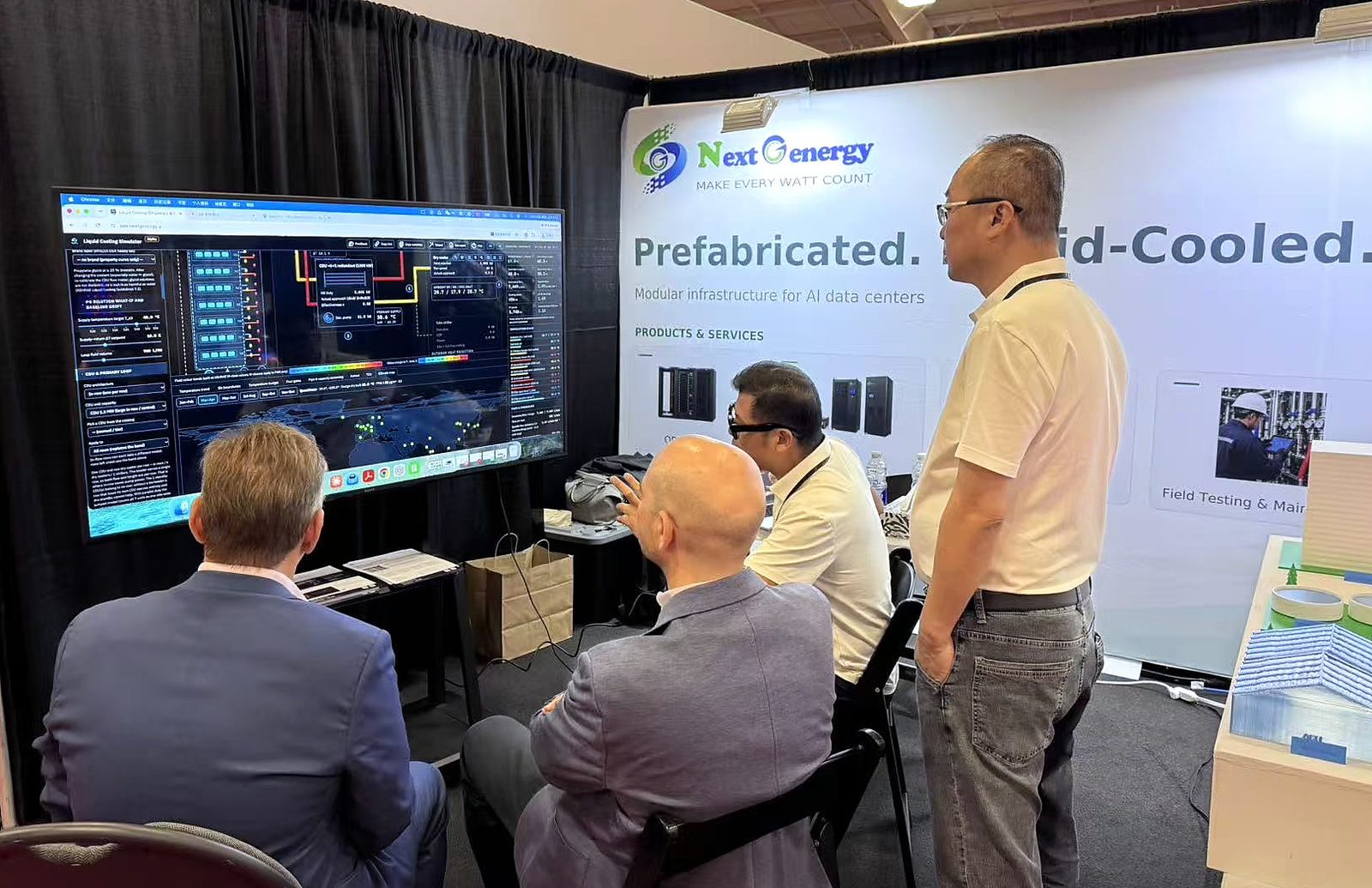
Simulation added an operational perspective to the physical displays. NextGenergy’s browser-based Liquid Cooling Simulator supports Chinese and English and helps users compare how configurations and operating conditions affect system behaviour within the stated model assumptions. It takes technical discussions beyond static layouts to dynamic system response.
Users can explore rack platforms, climate conditions and piping layouts while observing modelled changes in chip junction temperature, flow rate, pressure drop and partial power usage effectiveness (pPUE). Scenarios such as step changes in load, pump failure and fouling allow users to compare responses. The demonstration connected circuit layouts, equipment parameters and results to support discussion of selection, operating conditions and design trade-offs.
The simulator is intended for option comparison and preliminary screening. All results are model outputs; they do not replace manufacturer data, project-specific engineering calculations or acceptance testing. Actual projects still require calculations based on equipment information and design conditions, followed by commissioning and site testing. Comparing predictions with measured results can also inform further analysis.
At GDCC, NextGenergy brought prefabricated integration, core equipment supply, on-site verification and system simulation into a common framework, illustrating the connections from early design exploration through delivery and acceptance. The company will continue working with customers and partners on liquid cooling infrastructure and heat reuse projects, with clearly defined technical requirements and delivery boundaries.
The showcase also established a practical basis for follow-up discussions: customers can use the scale model to define system scope, explore configuration choices through simulation, and translate their requirements into equipment, interface and testing specifications. Connecting information across these stages can help reduce misunderstandings as a concept moves into engineering and implementation.
Links
- Liquid Cooling Simulator
- Booth A20 announcement, 1 October 2026
- Field testing and operations
- GDCC event website
NextGenergy, Toronto. Media and other enquiries: sales@nextgenergy.ai. All news.